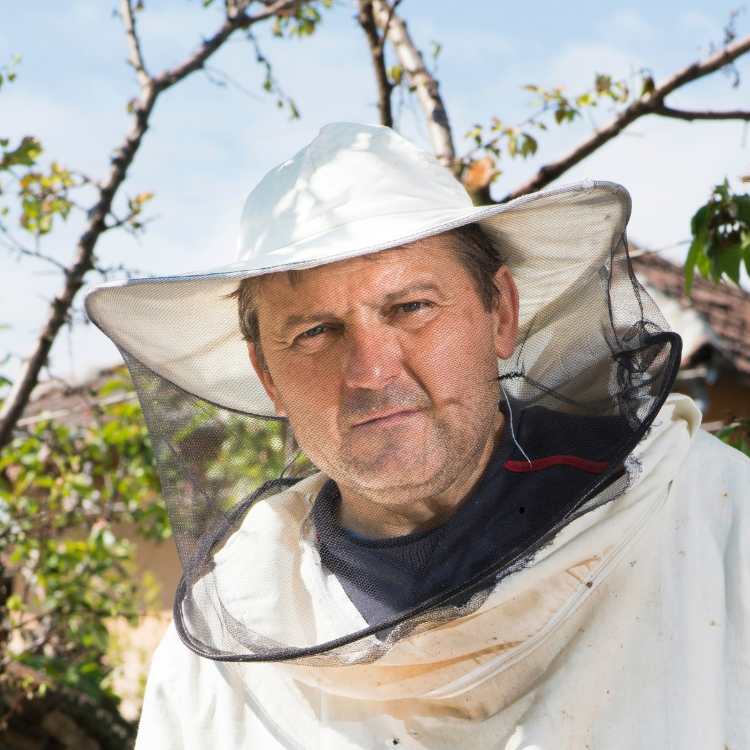

What beekeeping has taught me over all these years is precision, timing, and respect for the hive. Among all honey types, royal honey holds a very special place for me. It looks much darker, feels thicker, and tastes stronger than regular honey.
It is a combination of raw honey and royal jelly. The royal jelly is the nutrient rich substance that feeds the queen bee. This mix creates one of the most nutrient packed bee products that you can buy today.
So, before you add royal honey to your cart, here is everything you need to know.
What royal honey really is?
You would be mistaken if you thought royal honey is a different type of honey. In fact, it is a simple blend of regular honey and royal jelly. The royal jelly is produced by the workers from glands in their heads, which is then used to feed the queen larvae to make them grow larger and live longer.
When royal jelly is added to regular honey, it boosts the nutritional profile. You get a denser, creamier honey with proteins, amino acids, B vitamins, and trace minerals, giving it a super complex taste.
It takes a significant amount of skill to harvest royal jelly. We have to be sure to remove it from queen cells during a small window of time (when the larvae are about three days old) to maintain its concentrations of bioactive substances. We then carefully mix the harvested jelly with mature honey as a means of stabilizing it and keeping it potent.

The nutritional composition of royal honey
Royal honey is rich in the same natural sugars as regular honey, but you get the added biological power of royal jelly. The blend creates a very nutrient-dense energy source. It supplies the body with glucose, antioxidants, and trace lipids that support cellular activity.
Laboratory studies show that royal honey contains small amounts of 10-hydroxy-2-decenoic acid (10-HDA). This is a compound linked to antibacterial activity. It also includes peptides and enzymes that may help reduce inflammation.Although the percentage of royal jelly in most commercially available products is small, even this addition changes the honey’s chemical profile and flavor.
Where royal honey is used
The demand for royal honey has grown rapidly as consumers move toward natural, functional foods.
Common uses include:- Nutritional foods: Added to protein bars, drinks, and granola for an extra dose of energy.
- Gourmet cooking: Used to glaze meats, sweeten sauces, and enrich desserts.
- Supplements: Available as a natural immunity and vitality booster.
- Skincare: Included in creams for its moisturizing and antioxidant potential.

The science and function
Royal jelly is rich in fatty acids and growth hormones that drive the queen’s development. This makes royal honey a strong antioxidant source to help improve overall metabolic function.
The body digests royal honey more slowly than refined sugars, allowing for the gradual release of energy, which is exceptionally beneficial for athletes or people wanting sustained alertness without the nasty sugar crashes.Nevertheless, it is essential to keep in mind that royal honey is still a very calorie-dense product and should be consumed in moderation.
Tips for buying and using royal honey
A simple internet search and you are flooded with royal honey products on the market. But these vary widely in quality. Some contain very little royal jelly. Others come with undisclosed additives. Beekeepers and consumers need to stay alert to ensure purity.
Before you buy royal honey:- Check origin: Always source from verified beekeepers with traceable production.
- Inspect labeling: Genuine blends mention the royal jelly content percentage.
- Support ethical apiculture: Choose brands that maintain bee welfare and local biodiversity.
How royal honey affects the hive
Royal jelly production affects the hive’s balance. There is no two ways about it. Bees produce it to nourish potential queens. If you take too much, the colony weakens. Ethical practices ensure that enough is left behind for the bees before collecting the surplus.
Each gram of royal jelly represents hours of bee labor and thousands of nectar-gathering flights. Beekeepers who produce royal honey responsibly understand that colony survival is above all.
A beekeeper’s perspective
I have worked for decades, around and with bees. And truth be told, royal honey still fascinates me. While not the most expensive honey in the world, I still think of it as the finest intersection of nature and science. A fusion of bee instinct and human skill. Each drop contains traces of royal jelly that transform simple nectar into something much more complex.
It is not just another health product. When you taste it, you are not just tasting honey. You are tasting the effort of thousands of bees working in perfect coordination.And I think that is what makes royal honey truly royal.
For more such fun stories from the amazing world of bees, consider following my full blog here.